Security Screens vs Security Doors: What Cairns Homeowners Actually Need
Northern Glazing Glass & Aluminium • June 26, 2026
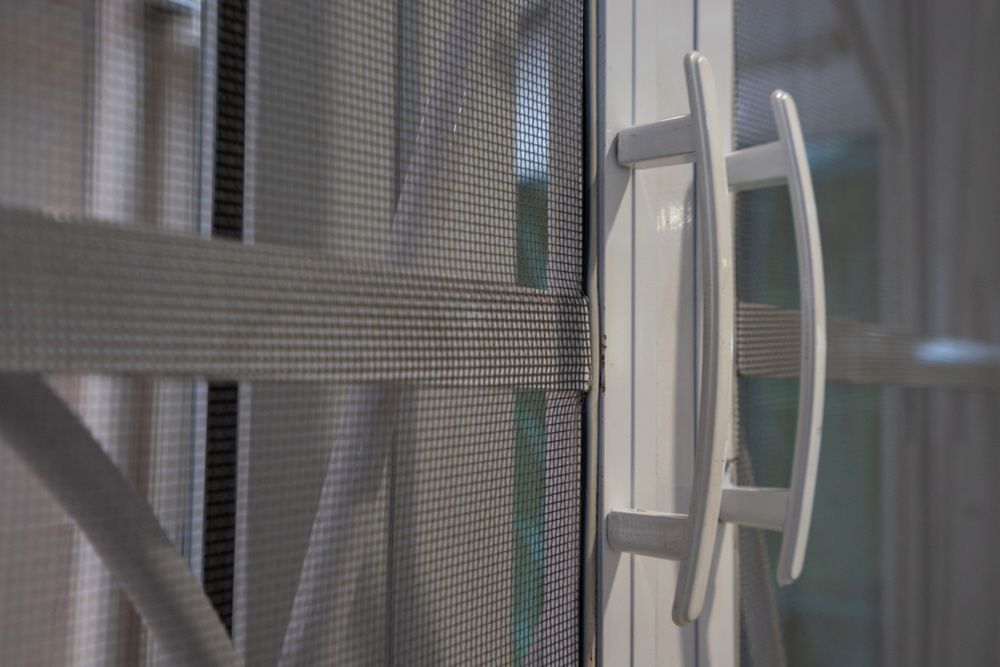
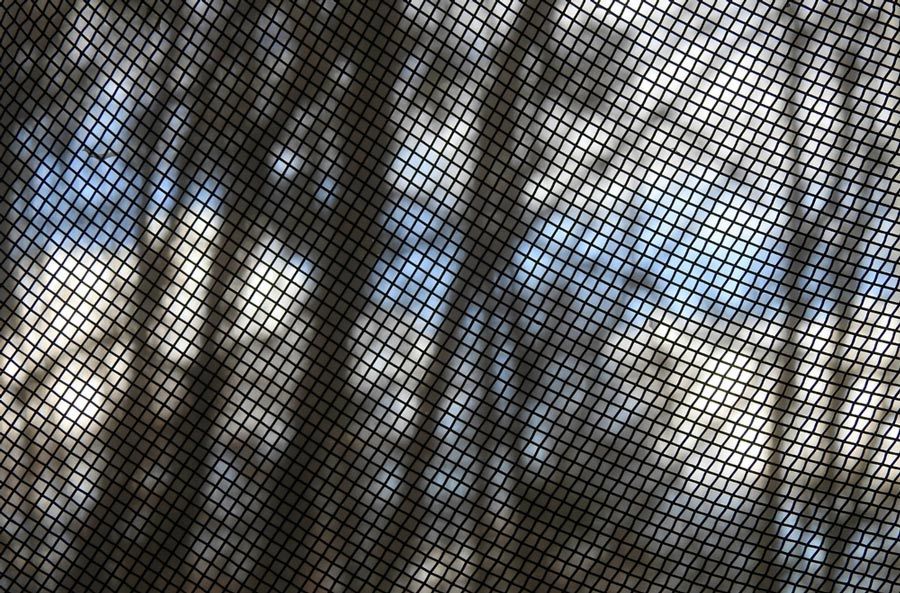
A neighbour's break-in has a way of making you look at your own home differently. Suddenly the gaps in your louvres, the thin fly screen on the back door and the unlocked grille on the side window become a lot harder to ignore. For many homeowners across the Far North, that moment of rethinking leads to the same question: do I need security screens, security doors, or both? The answer depends on your home's layout, how you live in it and the specific conditions that come with living in tropical Far North Queensland. Security screens in Cairns serve a different purpose to what a solid security door does, and understanding the distinction before you spend money is well worth the few minutes it takes.
What a Security Screen Actually Is
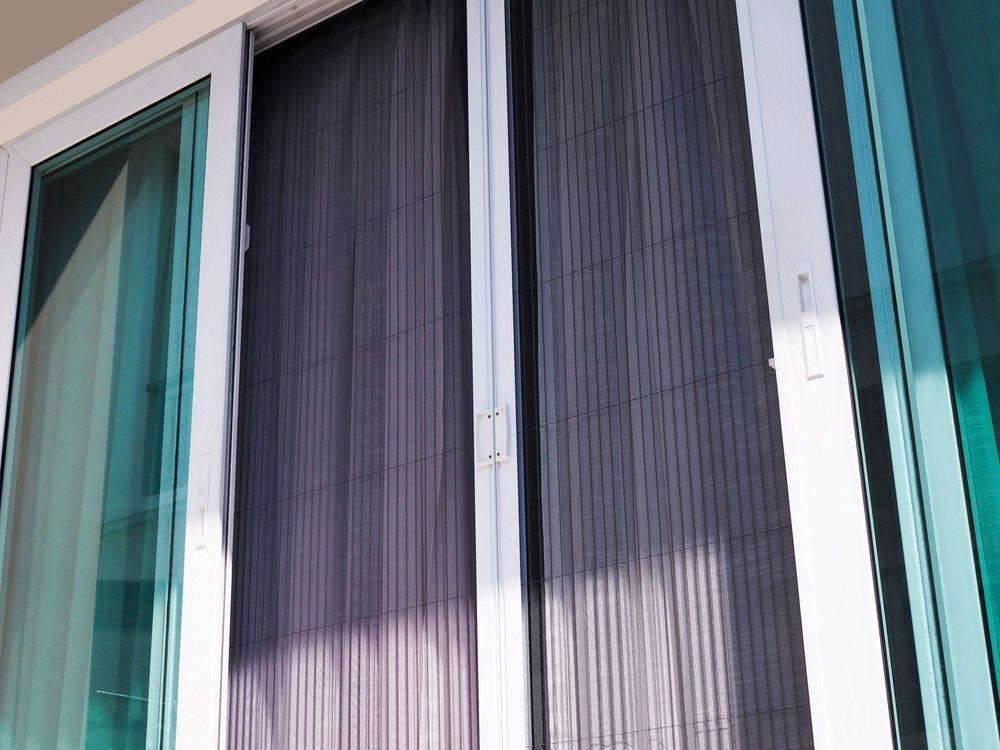
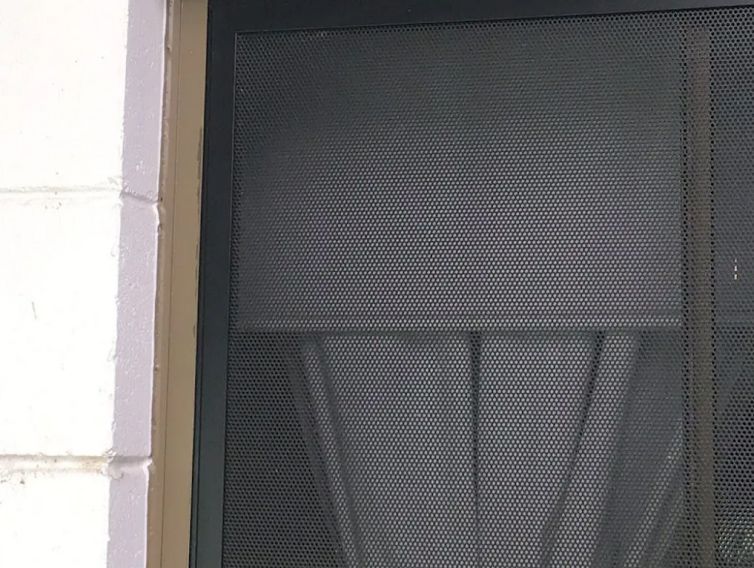
Security screens and security doors are often confused, but they are fundamentally different products that do different jobs. A security screen is a reinforced mesh panel installed into a window or door frame. It looks similar to a standard insect screen but is built to resist forced entry through its tensile strength, frame construction and fixing method. It allows air and light to pass through while blocking access. Security screens can be fitted to windows, sliding doors, hinged doors and louvres. They are designed to stay closed and locked while the opening behind them remains fully open, which is exactly what makes them useful in a warm climate.
Key features that separate a security screen from a standard fly screen:
- Heavy-duty aluminium or stainless steel mesh rather than fibreglass
- Rigid frame systems that resist bending and pulling
- Anti-jemmy fixings that resist the leverage attacks most burglars use
- Compliance with Australian Standard AS 5039, which sets the test criteria for security screen products
What a Security Door Actually Is
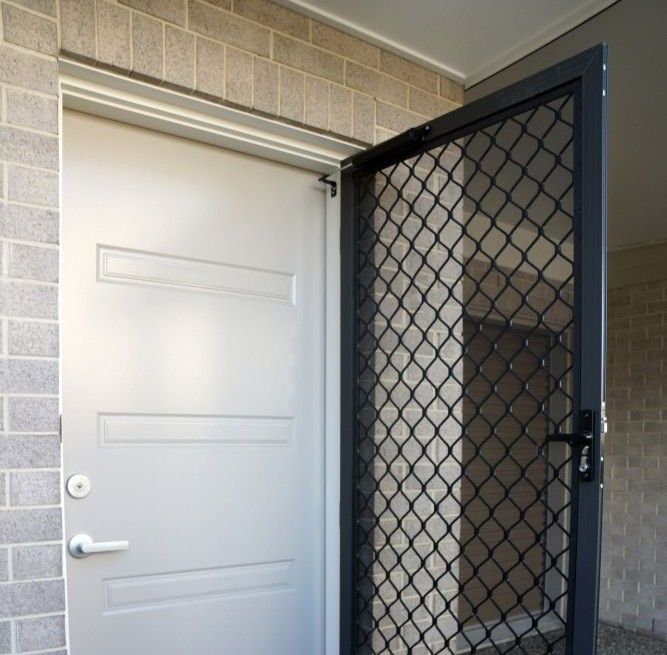
A security door operates as your primary point of entry, not as an additional layer over an opening. Think of a security door as the main door to your home but built to a higher physical standard. It replaces or sits in front of your existing entry door and is typically hinged, with a solid steel or aluminium frame and either infill mesh or solid panelling. When it is closed, it forms a solid barrier. When it is open, there is no airflow benefit, because the door being open means the frame itself is no longer in the opening. This is the practical distinction that matters most: a security screen lets air through; a security door does not.
Understanding when a security door makes sense:
- The front entry of a home where a locked barrier at the primary access point is the goal
- Rentals or investment properties where tenants leave external doors open regularly
- Situations where a second locking point on the main entry is the priority
- Homes where the existing entry door is not in good condition and a replacement is warranted
When You Need Both, & When You Do Not
The answer is almost never one or the other across an entire home, it depends on the opening. Most Cairns homes benefit from security screens on windows and secondary openings because those are the most common points of unauthorised entry and the places where airflow matters most. A security door at the front entry makes sense as a standalone product when the goal is a robust primary barrier. Where both work together is on a back door or side entry that also functions as a ventilation point, as a security screen door achieves both goals in one product. The confusion comes from the fact that the term "security door" is sometimes used loosely to describe both categories.
Questions worth asking before choosing:
- Is this opening used for ventilation, or is it kept closed most of the time?
- Is it a window, a sliding door, a hinged door or a louvred opening?
- Is the goal to add a locking layer while keeping the opening functional, or to create a solid barrier?
- Is the opening a primary entry point or a secondary access point?
Why Airflow Is Not Optional in the Tropics
In Far North Queensland, cross-ventilation is not a nice-to-have, it is how homes are designed to function. Older Queenslander-style homes and modern tropical builds alike rely on moving air to manage internal temperatures, reduce humidity and lower reliance on air conditioning. Closing up windows and doors to improve security directly conflicts with that design logic. This is the problem security screens solve in a way that solid doors simply cannot. A stainless steel or aluminium mesh security screen installed across a louvre bank or sliding door opening allows a home to stay open, catch the prevailing breeze and still maintain a locked barrier that resists forced entry. In a Cairns context, recommending solid barriers across every opening would make a home significantly less comfortable to live in.
Benefits that security screens deliver in tropical climates:
- Full ventilation with both the screen and the opening behind it in use
- Locked protection at windows and doors without closing off airflow
- Reduced dependence on air conditioning where natural cross-ventilation works
- Compatibility with louvred openings, which are common in older FNQ homes
Aluminium vs Stainless Steel Mesh in a Coastal Environment
Material choice matters more in the tropics than it does in most other Australian climates, and the wrong mesh will show it within a few years. Both aluminium and stainless steel mesh are used in compliant security screens, and both can perform well when specified and installed correctly. The difference in a coastal and humid tropical environment comes down to corrosion resistance. Standard aluminium mesh is lighter and less expensive, but in salt-air conditions it can oxidise and pit over time, degrading both its appearance and its structural integrity. Marine-grade stainless steel mesh, typically 316-grade, is significantly more resistant to that kind of coastal corrosion and is the more appropriate choice for homes within a few kilometres of the coast or estuaries. The higher upfront cost reflects a longer serviceable life in that environment.
Material considerations specific to the FNQ coastal climate:
- 316-grade stainless steel mesh is better suited to salt-air and humidity exposure
- Powdercoated aluminium frames can perform well when the coating is quality-applied and intact
- Any mesh compromised by corrosion loses its compliance with AS 5039 and its security integrity
- Proximity to the water, not just the beachfront, influences how quickly standard materials degrade
How to Assess Your Own Home's Openings
A useful starting point is to walk your property from the outside and think about it the way someone who should not be there might. Most forced entries happen through windows and secondary doors rather than the main front entry, because those openings are often less visible from the street and more likely to be left open. Ground-floor windows, sliding back doors, louvred openings on the side of the house and any door that opens onto a fence line are typically the priority openings to address. From there, the function of each opening shapes the product. Openings kept open for airflow need screens. Openings kept locked that serve primarily as entry points are better candidates for a security door or a combination screen door product.
A practical home assessment should note:
- Which openings are typically left open during the day or overnight
- Which openings face the street versus away from it
- Ground-floor versus elevated openings and their relative vulnerability
- Existing hardware condition, as some older grilles or screens may already be compromised
What Landlords Managing Investment Properties Should Consider
Rental properties carry a specific set of security considerations that owner-occupiers do not always face. Tenants living in a warm climate will typically keep windows and back doors open, even when they go out. That is a reasonable way to live in an FNQ home, but it means the security posture of a rental depends almost entirely on what is fitted to those openings, not on tenant behaviour. A landlord who relies on tenants to lock up as the primary security measure is taking on significant risk. Security screens fitted across windows and secondary door openings shift that risk because the protection is built into the opening itself. Landlords also have obligations under Queensland tenancy legislation regarding the security of rental premises, which makes fitting compliant products a practical and legal consideration.
Things landlords managing Cairns rental properties should factor in:
- Security screens reduce reliance on tenant behaviour for security outcomes
- Compliant products fitted by a licensed installer provide a documented record of reasonable provision
- Insurance policies for rental properties often reference security fittings in their conditions
- Screen upgrades at vacancy periods reduce disruption to tenants and allow easier access for installation
How to Read Product Claims & Compliance Ratings
Not every product labelled as a security screen meets the Australian Standard, and the difference is not always obvious from a quote or a product name. AS 5039 is the Australian Standard that sets out the testing requirements for security screen doors and windows. Products that comply with this standard have been tested for knife shear, impact, dynamic impact force and the pull test. A mesh that looks similar to a compliant product but has not been independently tested offers little more protection than a standard fly screen under real force. When getting quotes, asking whether the product is compliant with AS 5039 and whether the installer can provide documentation of that compliance is a straightforward and reasonable question. Reputable installers will have that information readily available.
What to look for when evaluating security screen products and quotes:
- Explicit reference to AS 5039 compliance, not just "security grade" marketing language
- Documentation of test results or certification from the manufacturer
- Frame system compliance, not just the mesh in isolation
- Installer accreditation or licensing, which reflects accountability and workmanship standards
Talk to Us About Security Screens in Cairns
We at Northern Glazing Glass & Aluminium work with homeowners and landlords across Cairns, the Northern Beaches and surrounding areas to assess their openings and recommend the right products for the way their homes actually function. Whether you are looking at a single window or upgrading every opening in the house, we can walk you through the material options, compliance requirements and what makes sense for a tropical coastal environment. To find out more about our range, visit our security screens Cairns page or get in touch to arrange a quote.